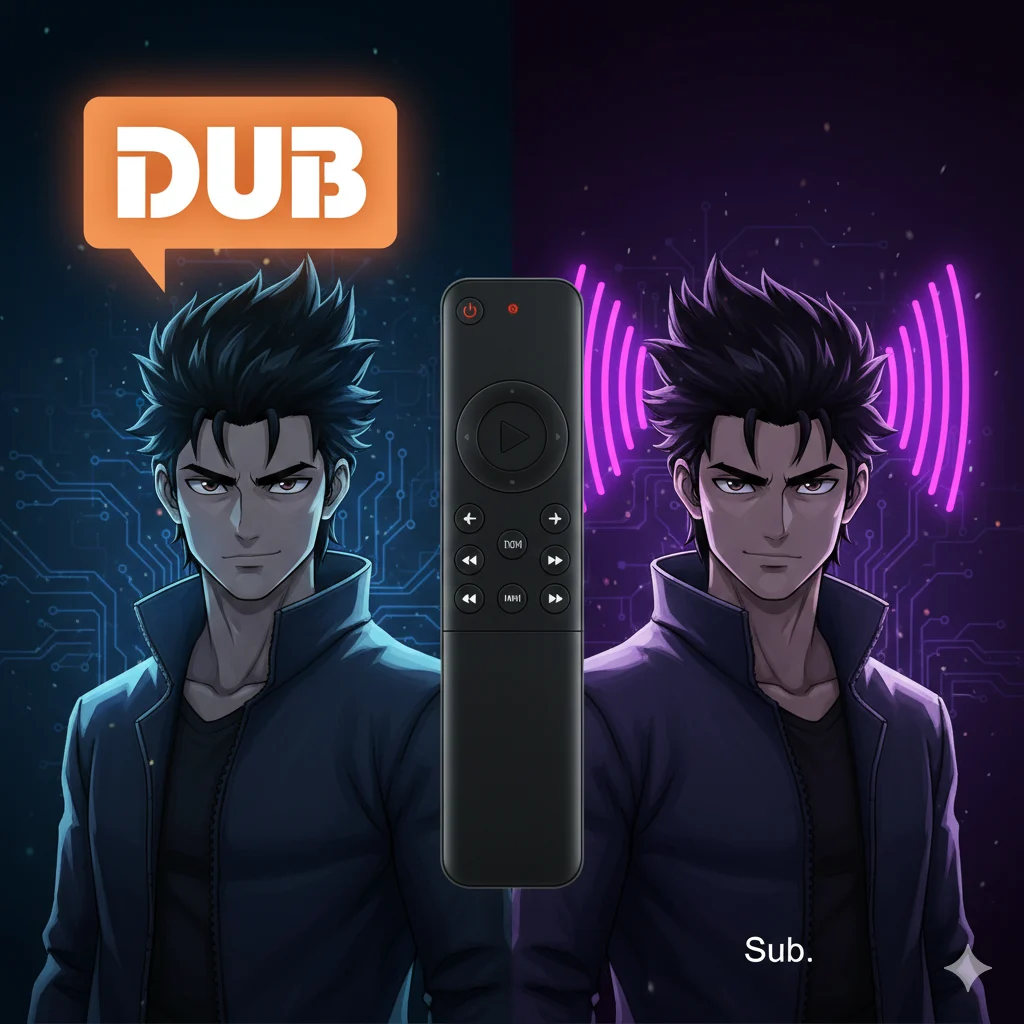
Dub or Sub refers to the choice between watching content in a dubbed language or using subtitles while watching movies, dramas, or online videos, and it is a common viewing preference debate among audiences worldwide.
Have you ever wondered whether it is better to hear everything in your own language or hear the original voices with subtitles? This is exactly where the “Dub or Sub” debate begins, and it affects how millions of people enjoy films, anime, and series every day.
In simple terms, dubbed content (dub) replaces the original audio with another language so viewers can understand without reading. In contrast, subtitled content (sub) keeps the original audio and adds translated text on the screen, allowing viewers to experience the real voices, tone, and emotions of the characters.
Dub is often preferred for comfort and ease, especially when viewers want to focus on visuals without reading. Subtitles, on the other hand, are loved for authenticity because they preserve the original performance and emotional delivery.
This debate is not just about language—it is about experience, preference, and connection with content. Some viewers prioritize convenience, while others value originality and cultural depth.
In short, Dub or Sub is the choice between convenience and authenticity when watching foreign content, and both offer completely different viewing experiences that shape how you enjoy stories.
Dub / Sub
Dub (short for dubbing) means replacing the original spoken audio track of a film or show with a new one in a different language. Sub (short for subtitles) means displaying translated text at the bottom of the screen while preserving the original audio.
- Example of Dub: Watching Spirited Away with English voice actors speaking all the lines.
- Example of Sub: Watching the same film in Japanese with English text at the bottom.
The choice boils down to preference: dub for ease and immersion in your language, sub for authenticity and connection to the original performance. This is the core of the dub sub debate.
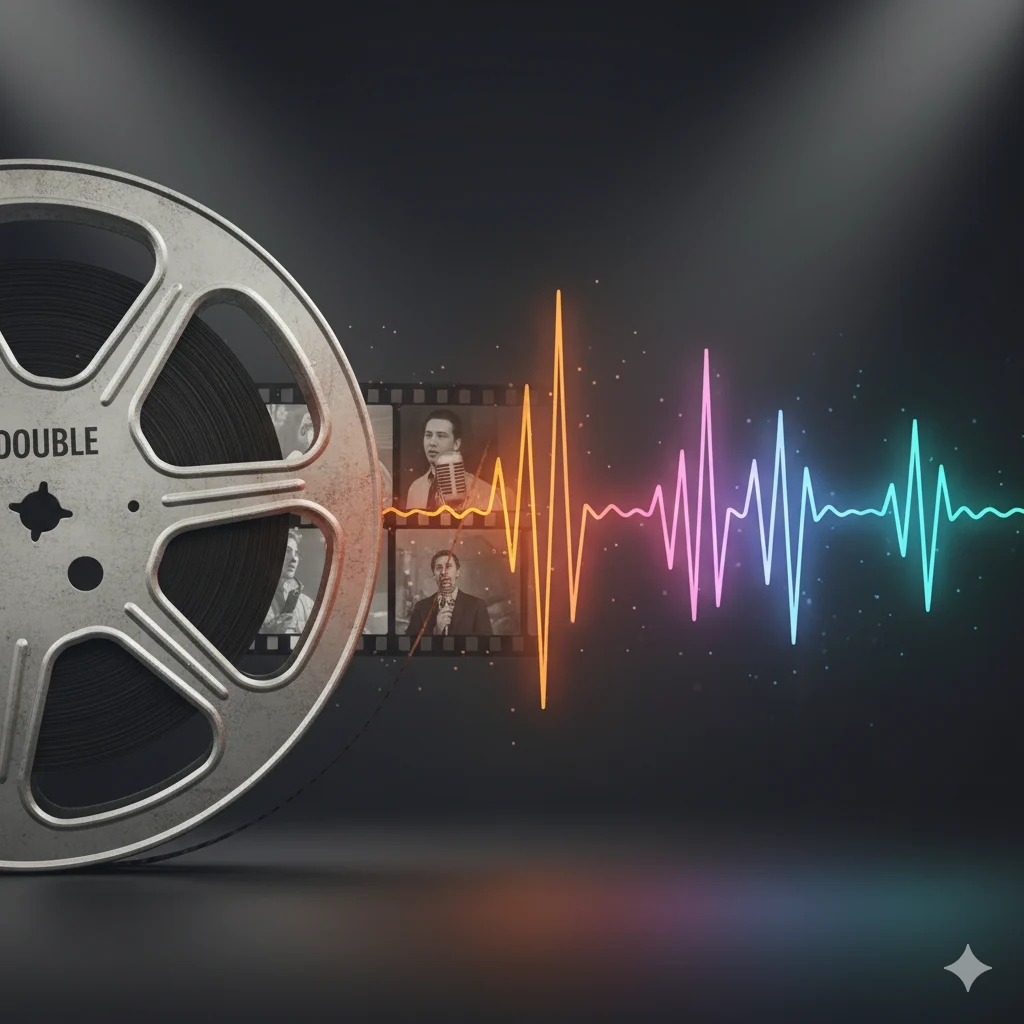
The Origin of Dub and Sub
The terms have practical roots in the film and broadcasting industry. “Dubbing” comes from the word double, referring to the process of creating a double of the original soundtrack. It gained prominence in the mid-20th century as studios sought to distribute films internationally without language barriers.
“Subtitle” literally means under the title—text placed under the visual frame. Its use became widespread with the advent of sound films, allowing foreign dialogue to be translated without altering the audio.
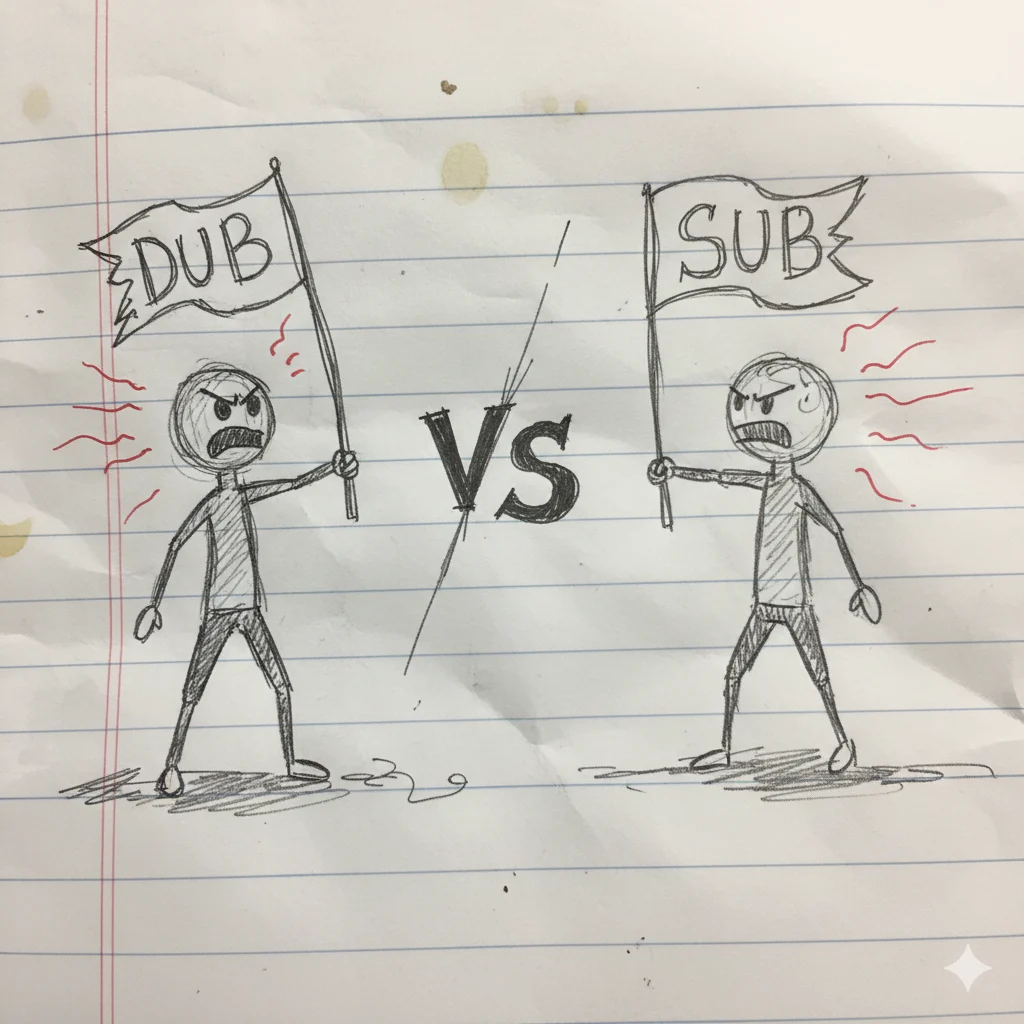
The dub vs. sub debate, however, truly ignited with the global rise of Japanese animation (anime) in the 1980s and 1990s. Fans passionate about the original artistic vision championed subtitles, while broadcasters dubs to make content accessible to wider, younger audiences. This history explains why spelling differences (like dubbing/dubbing) aren’t the focus; the clash is about approach and philosophy in translation and performance.
Dub vs. Sub: Comparison Table
| Feature | Dub (Dubbed Audio) | Sub (Subtitled) |
|---|---|---|
| Audio | Replaced with a new voice track in the viewer’s language. | Original language audio is preserved. |
| Focus | Listening to the dialogue. | Reading text while hearing original voices. |
| Best For | Multi-tasking, viewers with reading difficulties, or immersive casual viewing. | Purity of performance, learning accents/languages, andpartially core fans. |
| Potential Downside | Lip-sync issues, loss of original vocal nuance, sometimes uneven voice acting quality. | Requires constant screen attention, can miss visual details while reading. |
| Common On | Netflix (dub sub netflix), Disney+, broadcast TV, most mainstream platforms. | Film festivals, streaming service alternate tracks, anime-centric platforms. |
Which Should You Use? Dub or Sub?
Your ideal choice depends on your context and goals.
- For US Audiences & Casual Global Viewers: Dubs are often the default and a great choice. Major streaming platforms like Netflix invest heavily in high-quality dubs. If you’re watching while doing chores, or with family, a good dub is perfectly valid and enjoyable.
- For UK/Commonwealth & Purist Audiences: Subtitles have traditionally been more popular here for foreign-language content, favoring authenticity. This is the go-to for film enthusiasts and anime purists who believe the director’s original audio is key.
- For Language Learners: Subtitles are invaluable. Use subs in the target language you’re learning, or a combination (foreign audio + native subs) to build comprehension.
- The Modern, Flexible Viewer: Don’t rigidly pick a side! Try both. Start an episode in sub, then switch to dub, and see what fits the show’s tone and your mood. Many watch popular shonen anime dubbed, but dramatic films subbed.
Common Mistakes with Dub and Sub
- Mistake: Thinking “dub” is always inferior or “sub” is always superior.
- Correction: Quality varies. A bad dub can ruin a show, but a great dub (e.g., Cowboy Bebop, Fullmetal Alchemist) can enhance it. Likewise, poor subtitle timing or translation can hurt a subbed experience.
- Mistake: Using “dub dub” as a formal term.
- Correction: “Dub dub” is an informal, often playful repetition (like “dubdub AI” for a specific tool). The correct terms are dub (noun/verb) or dubbed (adjective).
- Mistake: Believing subtitles are only for foreign content.
- Correction: Subs are widely used by Deaf and partially viewers (Closed Captions/CC) and people watching in noisy environments, even for native-language content.
Dub and Sub in Everyday Examples
- In an Email/Forum: “The new fantasy series is good, but I recommend the sub—the original actor’s delivery is chilling.”
- In a News Headline: “Streaming Giants Invest Millions in Localized Dubs to Capture Global Markets.”
- On Social Media (Reddit/Twitter): “The English dub cast for this anime was just announced! Hype! #dubsubanime”
- In Formal Writing (Review): “The film is presented with both a meticulously crafted English dub and accurate subtitles, allowing viewers to choose their preferred engagement level.”
- Search Query: A user might look for “dub sub apk” seeking an unofficial app to access both tracks, or “Is dub dub AI free?” to find a specific AI voice dubbing tool.
Dub / Sub – Google Trends & Usage Data
Analysing search data reveals clear patterns. The term “subbed” consistently shows higher search interest globally, often tied to searches for specific anime titles. However, “dubbed” sees massive regional spikes in countries like India, the Philippines, and the US, where localized dubbing is a major industry.
The phrase “dub vs sub” peaks regularly with the release of major anime series or foreign-language Netflix hits (Squid Game, Money Heist), reigniting the eternal debate. Searches for “dub sub ios” or “dub sub apk” indicate a tech-savvy audience looking for mobile solutions. The rising search volume for “Dub AI” and “dubdub AI voice” points to growing interest in automated, AI-powered dubbing technology, which may shape the future of this space. This data proves the topic is dynamic and user-driven.
FAQs:
1. What is dub and sub?
As outlined in the quick answer, dub is replaced audio in your language, while sub is text translation over the original audio.
2. What does Japanese dub mean?
It specifically refers to a version where the original audio (often English) has been re-voiced by Japanese voice actors. It’s common for Western shows entering the Japanese market.
3. Is dub or sub better for learning English?
Subtitles are generally better. Watching English shows with English subtitles (not your native language) improves reading, listening, and vocabulary acquisition naturally through context.
4. Is dub dub AI free?
Tools like Dubdub AI or Dub AI often have free tiers with limited minutes or features, moving to paid subscriptions for full use. Always check the specific platform’s pricing.
5. Are all Netflix shows available in dub and sub?
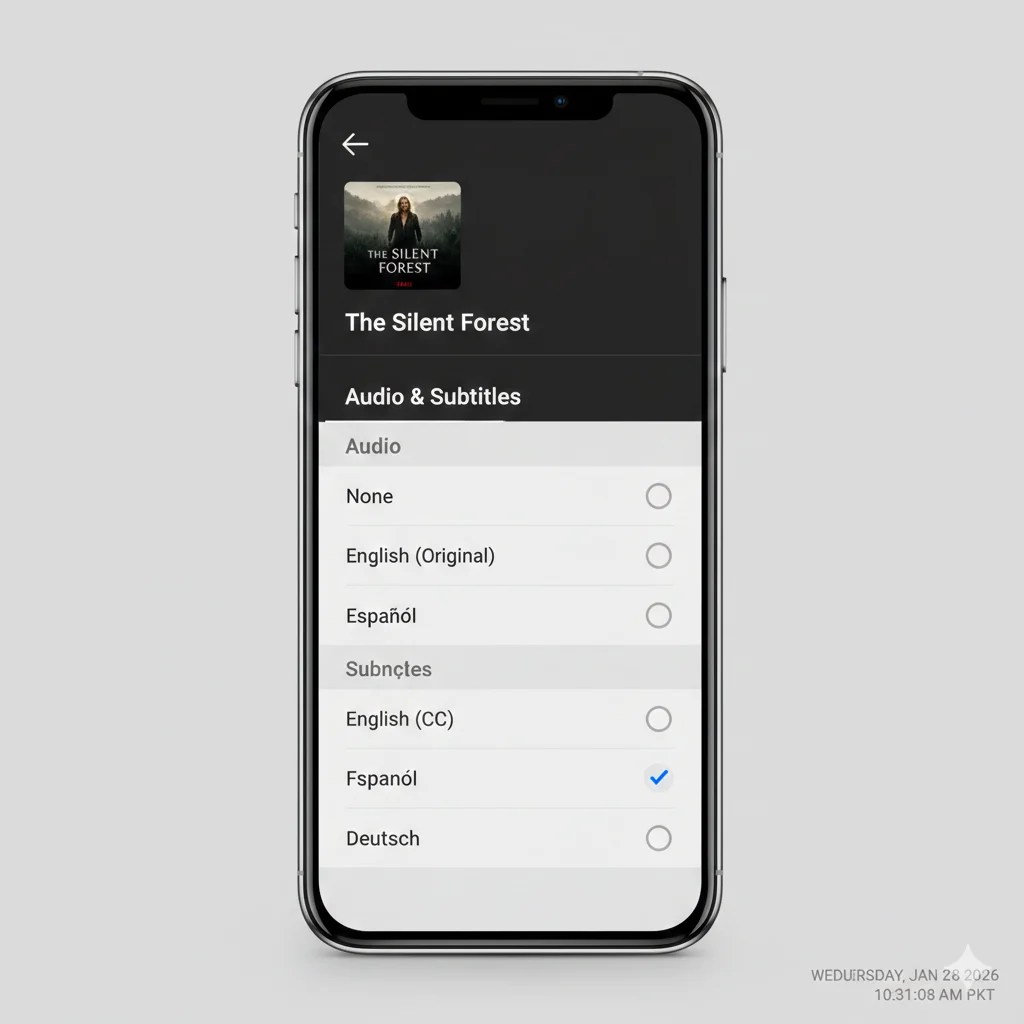
Most Netflix Originals and popular foreign titles offer multiple dub and sub options. Use the ‘Audio’ and ‘Subtitles’ menus on the playback screen to check available tracks.
6. Why do some anime fans hate dubs?
Some purists feel dubs can alter character personalities, lose cultural nuances, or feature less passionate voice acting than the original Japanese (seiyuu). However, modern dubs have significantly improved in quality.
7. Can I get the best of both? (A “Good Dub”)
Absolutely. Many contemporary dubs are excellent. Look for community recommendations. Shows like Attack on Titan and Demon Slayer have dubs widely praised for matching the original’s intensity.
Conclusion
The dub vs. sub decision is a personal gateway to enjoying world cinema and animation. There’s no universally “correct” answer, only what’s correct for you, right now, for this specific piece of content. For authenticity, linguistic learning, and the creators’ pure vision, subtitles (sub) are the champion. For accessibility, multitasking, and sheer ease of immersion, a well-produced dub is a fantastic choice.
The key is to be intentional and flexible. The rise of AI dubbing tools may further blur these lines, offering personalized voice tracks. Regardless of tech, the core principle remains: understanding the difference empowers you as a viewer. So, next time you hit play, check the audio settings. Experiment. Whether you dive into a classic dub sub anime or a new dub sub Netflix sensation, you’re now equipped to choose the experience that maximizes your enjoyment. The world of stories is vast—watch it your way.

Mary Butts was a British modernist writer known for her experimental style, myth-inspired themes, and influential novels exploring psychology and spirituality.