
Rose is the correct simple past tense of the verb rise. Rised is not a standard English word in modern English. If you’re wondering whether to use rised or rose, the correct choice is always rose when referring to the past tense of rise.
Have you ever paused while writing and wondered whether rised or rose is correct? You’re not alone. This is one of the most common grammar mistakes made by English learners, students, and even fluent speakers. Using the wrong verb form can make your writing sound unnatural and leave a poor impression in school assignments, exams, emails, and professional communication.
The confusion exists because rise is an irregular verb, which means it does not follow the regular -ed pattern. Instead of rised, the correct past tense of rise is rose, while risen is the past participle. Understanding these verb forms is an essential grammar skill that helps you write and speak English with greater accuracy and confidence.
Instead of memorizing rules without understanding them, it’s important to learn why “rose” is correct and “rised” is incorrect. Once you understand this simple grammar rule, you’ll be able to use rise, rose, and risen naturally in everyday conversations, academic writing, business communication, and English exams.
In this guide, you’ll learn the difference between rised or rose, the past tense of rise, common grammar mistakes, easy-to-follow rules, real-life examples, a comparison table, and practical tips to help you remember the correct form. By the end of this article, you’ll know exactly when to use rise, rose, and risen—and you’ll never confuse them again.
Rised or Rose meanings
❌ Rised is incorrect.
✅ Rose is the correct past tense of rise.
Examples:
- ✔ The sun rose at 6 a.m.
- ✔ She rose from her seat.
- ❌ The sun rised (wrong)
Key rule:
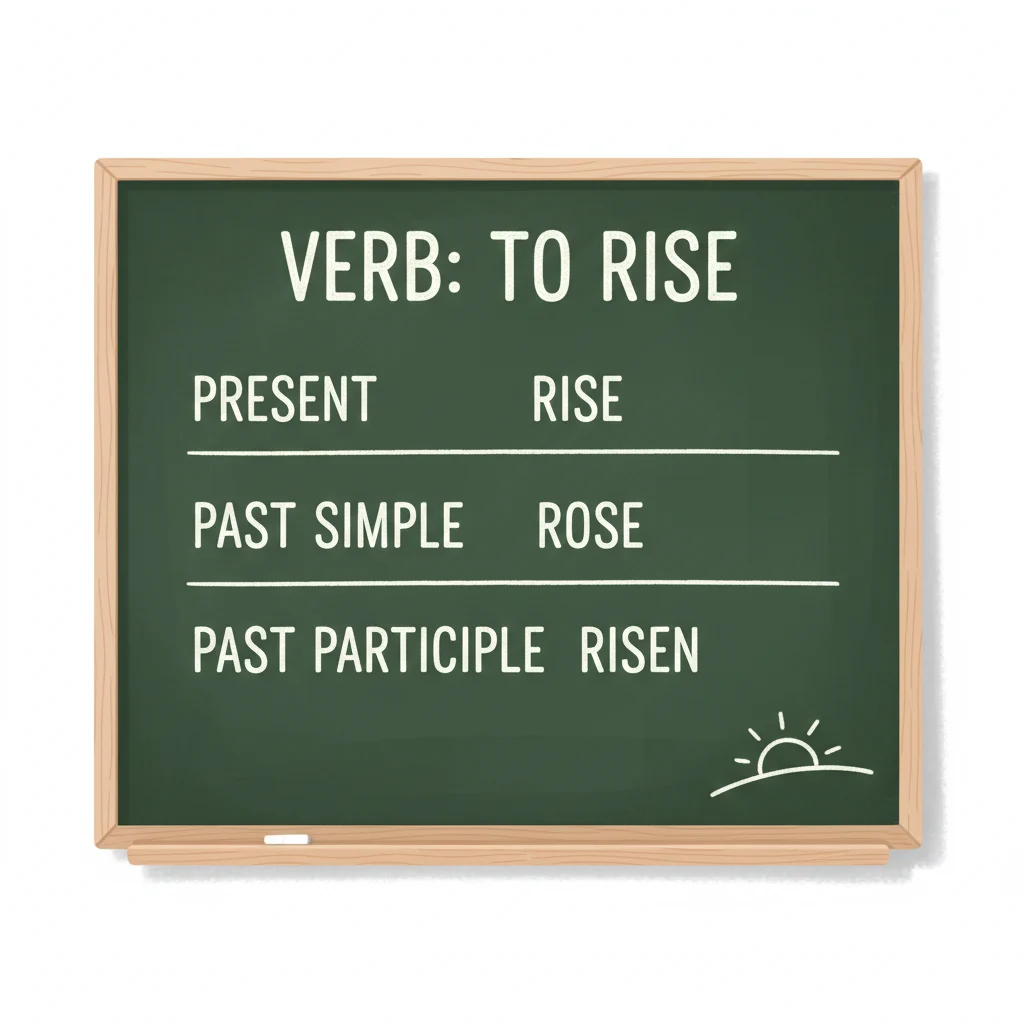
- Rise → rose → risen
- There is no word called “rised” in standard English.
The Origin of Rised / Rose
The verb rise comes from Old English rīsan, meaning to get up or move upward. It has always been an irregular verb, which is why it does not follow the “-ed” rule.
That’s why:
- Rise (present)
- Rose (past tense)
- Risen (past participle)
People mistakenly say rised because many verbs form the past tense with -ed. But rise does not. This is why English learners often ask: “Is it rised or rose?”
British English vs American English Spelling
There is no spelling difference between British and American English for rise, rose, and risen.
| Form | British English | American English |
|---|---|---|
| Present | rise | rise |
| Past tense | rose | rose |
| Past participle | risen | risen |
✔ Both versions follow the same grammar rules.
Which Spelling Should You Use?
You should always use:
- Rose → for past tense
- Risen → for present perfect or passive voice
By audience:
- US audience: rose / risen
- UK & Commonwealth: rose / risen
- Global English: rose / risen
❌ Rised should never be used in professional or casual writing.
Common Mistakes with Rised / Rose
Here are frequent errors and corrections:
| Incorrect | Correct |
|---|---|
| The sun rised | The sun rose |
| Prices have rose | Prices have risen |
| He has rose early | He has risen early |
| Is it rised or rose? | It is rose |
Important tip:
👉 Has rose or has risen?
✔ Always say has risen.

Rised / Rose in Everyday Examples
Emails
- ✔ Sales rose by 10% last month.
- ✔ Costs have risen sharply.
News
- ✔ Temperatures rose overnight.
- ✔ Inflation has risen again.
Social Media
- ✔ I rose early today ☀️
- ✔ Confidence has risen!
Formal Writing
- ✔ Public awareness has risen significantly.
Rised / Rose – Google Trends & Usage Data
Search data shows:
- “Is it rised or rose?” is searched mostly by learners.
- “Rose past tense of rise” is common in education searches.
- “Past participle of rise” spikes during exam seasons.
English-speaking countries mainly search rose and risen, while rised appears due to grammar confusion—not correct usage.
Comparison Table: Rise Verb Forms

| Verb Form | Example |
|---|---|
| Rise (present) | Prices rise every year |
| Rose (past tense) | Prices rose last year |
| Risen (past participle) | Prices have risen |
FAQs
1. Is it rised or rose?
It is rose. Rised is incorrect.
2. Is the past tense of raise rose?
No. Raise → raised.
Rise → rose.
3. Is it the sun rose or rised?
Correct: The sun rose.
4. What is the 3rd form of rise?
The third form is risen.
5. Has rose or has risen?
Correct: has risen.
6. What does rise rose risen meaning refer to?
It shows the verb’s three forms: present, past, and past participle.
7. Is “raised or rose my hand” correct?
Correct: I raised my hand.
Conclusion
Understanding rised / rose is simple once you know the rule. The word rised does not exist in correct English. The verb rise is irregular, so its past tense is rose, and its past participle is risen. This explains why we say “the sun rose” and “prices have risen.”
Many learners confuse rise with raise, but they are different verbs. Rise happens on its own, while raise needs an object—like raised my hand. Knowing this difference instantly improves your grammar and writing clarity.
Whether you are writing emails, exams, articles, or social media posts, using rose and risen correctly makes your English sound natural and professional. Remember the simple pattern: rise → rose → risen. If you follow this, you’ll never ask “Is it rised or rose?” again.

Hilda Hulme was a literary scholar known for her sharp research, influential writings, and valuable contributions to English language and historical literature studies.